

Bad-Credit Auto Loan Myths That Cost You Money
A bad car loan can cost more than the repair bill that pushed you to shop in the first place. That's why bad advice hurts so much, especially when you're already worried about approval.
If you're trying to buy with limited credit, the goal isn't perfection. The goal is a bad-credit auto loan that fits your budget, makes sense on paper, and doesn't bury you in extra costs. The myths below are the ones that lead buyers to overpay, wait too long, or give up too early.
The biggest bad-credit auto loan myths, and what's actually true
Myth: a bad credit score means you will not get approved
A low score can make borrowing harder, but it doesn't decide everything. Lenders also look at income, job history, current debt, the size of your down payment, and the vehicle itself.
That matters because two buyers with the same score can get very different results. Someone with steady income and a reasonable vehicle choice may look safer to a lender than someone stretching for a high payment.
Approval also depends on the full deal. A less expensive used vehicle, more money down, or a shorter loan amount can improve the odds. So can a clean, complete application.
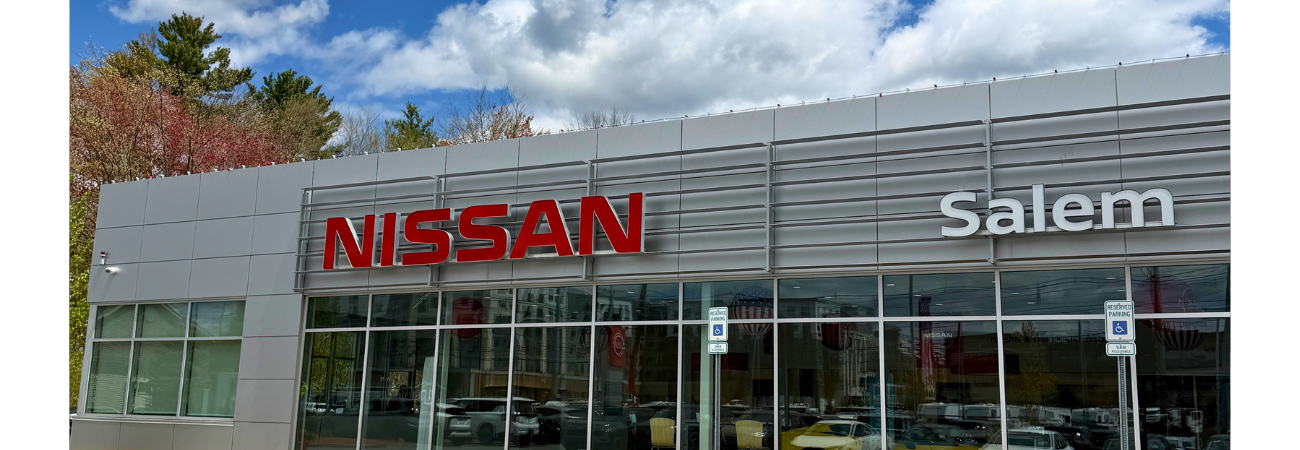
If you've been turned down before, don't assume the answer is always no. Salem shoppers who want a clearer picture can review bad credit car loans in Salem, which explains how lenders may view situations like prior denials or past credit damage.
Approval is about the whole file, not one number.
Myth: you should wait until your credit is perfect before buying
Waiting sounds smart, but waiting has a price too. If you need a vehicle for work, child care, or medical appointments, months without reliable transportation can cost real money.
In some cases, delaying means paying for repairs on a car that's near the end. In others, it means using ride-share apps, missing better job options, or rushing into a purchase later when you're under more pressure.
A manageable auto loan today can be better than waiting years for a perfect score. The key word is manageable. If the payment, insurance, and upkeep fit your real budget, buying now may be the cheaper move.
That doesn't mean taking any deal you can get. It means looking for terms you can live with while giving yourself room to improve your credit over time.
Myth: the first offer you get is the best one
Many buyers with bruised credit feel lucky to get one approval, so they stop there. That's where money slips away.
One offer may have a lower monthly payment but a longer term. Another may ask for more down but charge less interest. A third may hide extra fees in the paperwork.
Even a small rate difference can matter over years. So can document fees, required products, and how much you borrow after taxes and extras. If you want a starting point before visiting the dealership, you can get pre-qualified for an auto loan and compare with more confidence.
Where bad-credit car buyers lose money without noticing it
A low monthly payment can hide a much higher total cost
A payment can look comfortable and still be expensive. This happens most often when the loan term gets stretched.
Longer terms usually lower the monthly bill, but they also keep you paying interest for more time. Meanwhile, the car keeps aging and losing value. You can end up owing money on a vehicle worth less than the balance.
That's why "Can I afford the payment?" isn't enough. You also need to ask, "How much will this loan cost me by the end?"
A smaller payment helps only if the full loan still makes sense.
Fees, add-ons, and extras can stack up fast
This is where buyers often lose track of the real price. A few add-ons may not look serious one at a time, yet together they can change the loan by thousands.
Common extras include extended warranties, GAP coverage, theft products, paint or fabric protection, and document fees. Some of these may be useful. GAP, for example, can matter when you put little down and finance a lot. Still, usefulness doesn't mean automatic value.
Ask what each item costs, whether it's optional, and whether it's financed into the loan. If it is, you'll pay interest on it too. That turns a small extra into a bigger expense.
A bigger down payment can improve the deal, but only if the rest of the loan is sane
More money down can help. It lowers the amount borrowed, may improve approval odds, and can reduce the lender's risk.
Still, a larger down payment doesn't fix a bad loan structure. If the rate is too high, the term is too long, or the add-ons are overpriced, you've only masked the problem.
Keep the bigger picture in view. A good down payment should support a solid deal, not rescue a weak one. If you're working through options, Salem Nissan offers custom auto financing packages for buyers shopping new or used vehicles and trying to match a loan to a real budget.
How to compare bad credit auto loan offers the smart way
Look at the APR, loan term, and total amount paid
These three numbers tell the real story. APR shows the yearly cost of borrowing. The loan term tells you how long you'll be paying. The total amount paid shows what the car and financing will cost together over time. A "cheaper" payment often stops looking cheap once you compare all three.
Check whether the payment fits your real budget
Your car payment isn't your car budget. Insurance, fuel, maintenance, parking, tolls, and registration still show up every month or every year.
So look at your full spending before you say yes. If the payment leaves you tight every month, the loan is too big, even if the lender approves it.
A car should help you keep life moving. It shouldn't make every payday feel late.
Ask questions before you sign anything
Good questions can save you a lot of money. A trustworthy finance team should answer them clearly and without pressure.
Ask about these points before you agree:
Whether the APR is final, or can change before delivery
Whether any add-ons are required for approval
Whether the loan has a prepayment penalty
Whether the quoted payment includes taxes and fees
Whether the down payment changes the rate or only the amount financed
If someone brushes past those details, slow down. Clear answers are part of a fair deal.
The bottom line
Bad credit doesn't mean you have no options. It means you need to read the numbers with extra care and ignore advice that pushes you into panic or delay.
The most expensive myths are the ones that make you stop asking questions. A smart buyer focuses on the full cost, the real budget, and the terms behind the monthly payment.
When you know what to ignore and what to press on, a bad-credit auto loan becomes easier to judge, and a lot harder to overpay for.