

Best Tires for a Nissan Rogue in New England: All-Season vs Winter (Plus Sizing Tips)
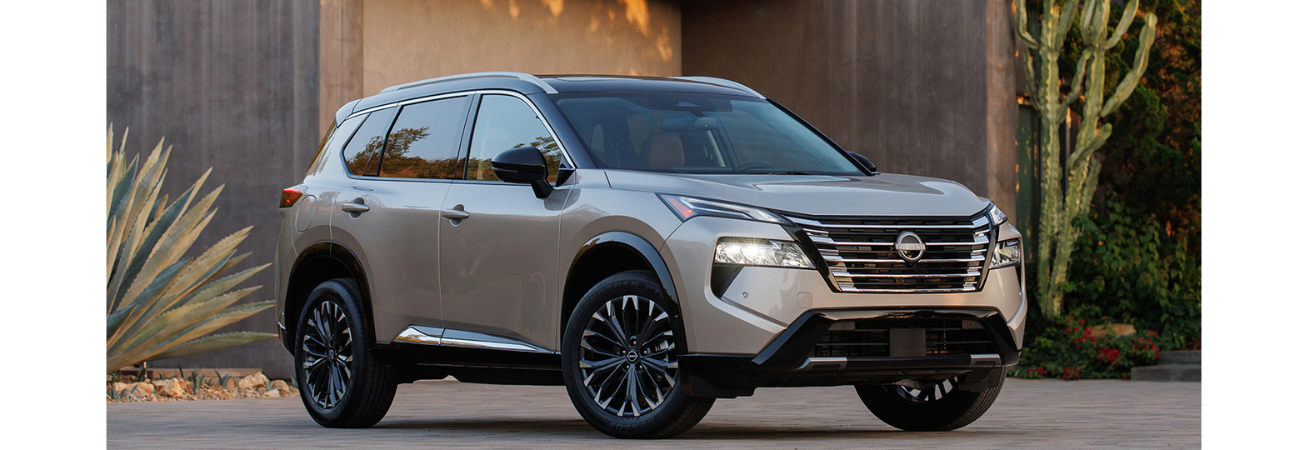
New England roads can change personalities fast. One day you're driving on wet leaves and cold rain, the next you're dodging potholes and slush in a surprise squall. Add freeze-thaw cycles and early sunsets, and tires start to matter more than most first-time shoppers expect.
If you're choosing Nissan Rogue tires, the goal is simple: pick a set that helps your Rogue start, stop, and turn with less drama. This guide breaks down all-season vs winter tires in plain English, then walks through easy sizing tips so you buy the right fit the first time.
When you're ready for help picking and installing tires, Salem Nissan can handle seasonal swaps, alignment checks, and new tire installs through their Nissan Rogue tire service.
All-season vs winter tires on a Nissan Rogue, which is the better fit for your life?
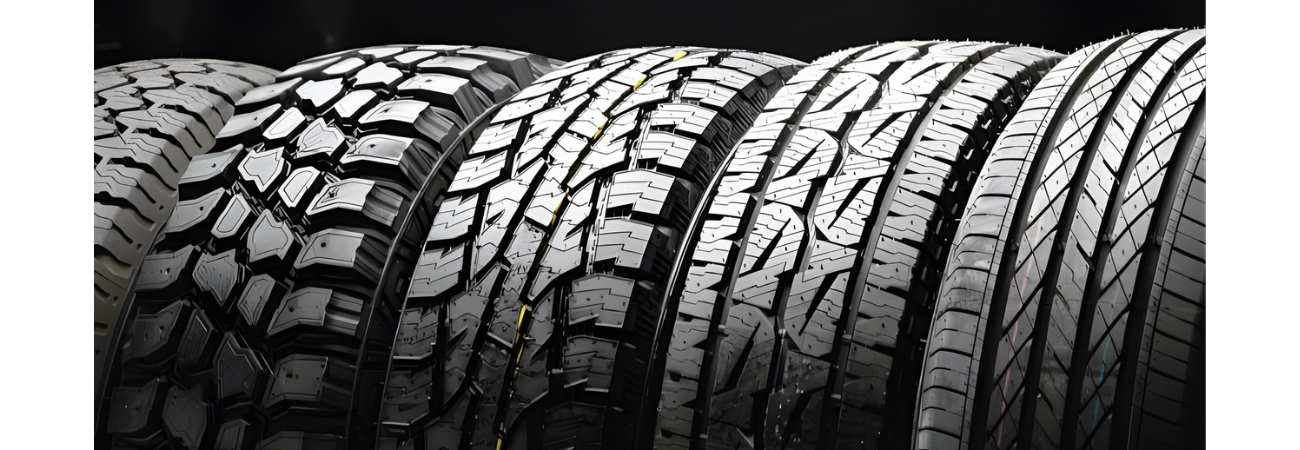
Tires aren't just "rubber circles." Their rubber compound and tread design control grip, especially when temperatures drop. In cold weather, a typical all-season tire stiffens up, kind of like a rubber band left outside overnight. A winter tire stays softer, so it can bite into cold pavement and flex around snow and ice.
Tread matters too. Many all-season patterns focus on quiet highway driving and wet traction. Winter tires use deeper grooves and lots of tiny sipes (thin cuts) that grab snow and help break through slush.
Here's the real-world part. If your commute is short and your town plows quickly, a good all-season tire can feel fine most days. On the other hand, if you leave at 5 a.m. on untreated side streets or you live on a hill that turns into a skating rink, winter tires can feel like adding a safety buffer you didn't know you were missing.
AWD is helpful, but it doesn't change the rules of grip. AWD can help you get moving, yet tires do the heavy lifting when you brake and turn.
Most drivers end up in one of two camps: one set that's "good enough" most days, or two sets that handle the worst days with less stress.
When all-season tires are enough in New England
All-season tires can work well if your driving life is predictable. For example, you might commute mainly on highways, live near a city where plows run early, and have the option to stay home when storms get serious. Storage can also be a deal-breaker. Not everyone has room for a spare set.
Still, it helps to know the tradeoffs before you commit. In colder temps (often around 45 degrees and below), many all-season compounds lose some grip. That can show up as longer stopping distances on packed snow, or a "floaty" feeling when slush builds between your tire and the road.
All-seasons are a practical choice if you:
Drive mostly on plowed main roads
Don't take frequent mountain trips in winter
Can shift your schedule when storms hit
Want one set of tires year-round
If you want one set year-round but more snow capability, look at all-weather tires. They carry the Three-Peak Mountain Snowflake (3PMSF) symbol, and they're built to handle colder weather better than many standard all-seasons.
When winter tires are worth it, even if you have AWD
Winter tires make sense when winter driving isn't optional. Think rural roads, steep driveways, early shifts, or regular ski weekends. In those situations, the benefit isn't just traction while accelerating. You usually notice it most while braking and turning, because the tire keeps its grip in the cold and uses its sipped tread to hold onto slippery surfaces.
If your Rogue ever feels fine going forward but sketchy when stopping on slush, that's a tire grip problem, not an AWD problem.
Winter tires can help you feel calmer in messy conditions, especially on ice or heavy, wet snow. They also tend to track better through slush, which matters on rutted roads after a storm.
Plan your swap based on temperatures, not the first snowfall. Many drivers switch once daily temps stay near 45 degrees. For convenience, a second set of wheels can make seasonal changes quicker and can protect your nicer wheels from winter salt and potholes.
If you want a simple place to start, ask for help with winter tire selection and installation through winter tire installation Salem NH.
Tire sizing tips for the Nissan Rogue, how to match the right size and avoid common mistakes
Sizing sounds intimidating, but you don't need to memorize numbers. You just need three things: the correct size, the correct load rating, and a matching set. The easiest way to confirm factory sizing is the sticker on the driver door jamb. Your owner's manual also lists approved sizes, and the tire sidewall shows what's currently installed.
Try to stay close to the factory size. That helps keep your speedometer accurate, keeps ride and handling predictable, and supports the way your Rogue's safety systems are tuned. It also matters for AWD models, because large differences in overall tire diameter can put extra strain on the drivetrain.
Trim levels can change wheel size, which changes tire size. So don't assume your friend's Rogue uses the same tires as yours, even if the model year is close.
After you install tires, you might see a tire pressure warning light, especially with temperature swings. If that happens, this Nissan TPMS reset guide can help you understand the reset process and when it's time to get sensors checked.
How to read a tire size like 225/65R17 in plain English
That string of numbers is just a measurement code.
225 is the tire's width in millimeters.
65 is the sidewall height, shown as a percentage of the width.
R means radial construction (almost every modern tire is radial).
17 is the wheel diameter in inches.
You'll also see a load index and speed rating, such as "102H." The load index relates to how much weight each tire can carry. The speed rating relates to safe top speed capability. For a Nissan Rogue, you usually want to match or exceed what the door sticker calls for. Going lower can affect safety and can increase the risk of tire damage.
Winter sizing has one extra twist. Sometimes drivers use a slightly narrower winter tire for better snow bite. That can work, but the overall diameter should stay close to stock so your speedometer and AWD system stay happy.
Sizing choices that can help in New England (and what to avoid)
New England has two tire enemies: slick weather and rough roads. If you run winter tires, ask if a smaller wheel (with more sidewall) is allowed for your Rogue. More sidewall can soften pothole impacts and can reduce the chance of bending a wheel. It can also make the ride feel less harsh on frozen pavement.
Also, pay attention to wet grip. Cold rain on worn pavement can feel like driving on glass. A tire with strong wet braking performance can be the difference between a calm stop and an ABS "surprise."
What to avoid is just as important:
Mixing tire types (two winters, two all-seasons) can create unpredictable handling.
Uneven tread depth on AWD can cause extra wear over time.
The cheapest tire often gives up wet braking first, which is where New England tests you.
Here's a simple checklist to keep you out of trouble:
Correct size from the door jamb sticker
Correct load index and speed rating, or higher
A matching set of four (same model and similar tread depth)
Strong wet and snow traction for your routes
Road hazard coverage if potholes are common where you drive
If you want a second opinion on fitment, alignment, or seasonal changeovers, Salem Nissan's tires and alignment service is a good next step.
Conclusion
Choosing Nissan Rogue tires gets easier when you narrow it to three steps. First, think about how you drive (highway cruising or stop-and-go). Next, be honest about where you drive (plowed main roads or steep side streets). Finally, decide if you can store a second set and swap seasonally.
Either path can work when it matches your routine. All-seasons (or all-weather) can cover many drivers, while winter tires bring extra control when storms and ice are part of your normal week. If you'd like help confirming your tire size, picking a set that fits New England, or setting up a seasonal swap plan, contact the team at Salem Nissan and schedule service through their Service Center page: https://www.salemnissan.com/service.aspx.