

Boston Commute From Salem in an EV: Time and Charging

A Boston commute from Salem in an EV usually works without a charging stop if your battery is healthy, adequately charged, and has comfortable round-trip range. Weather and driving conditions can affect the answer, along with access to charging.
A Salem-to-Boston drive in an EV calls for door-to-door planning, since traffic and parking affect your schedule, too. Check the route, estimate battery use, and choose a backup charging option that won’t send you searching during rush hour.
Key Takeaways
A Salem-to-Boston EV commute usually doesn't require a charging stop if your vehicle has enough real-world round-trip range with a seasonal buffer.
Plan door to door: compare live routes and traffic, confirm parking and charger access, and account for walking time and delays.
Estimate energy use using round-trip mileage and recent efficiency, then allow extra capacity for cold weather, highway speeds, climate control, errands, and detours.
Home or workplace charging often fits a regular commute best. Keep one or two compatible public charging options as backups, and confirm access and status before relying on them.
When choosing an EV, compare its range and charging compatibility with your full weekly driving routine—not just the commute.
Plan the Salem-to-Boston EV route
First, confirm your starting point. Salem, Massachusetts, and Salem, New Hampshire, require different route calculations. Enter your actual home address and Boston destination instead of relying on a general city-to-city distance.
Then check both directions. Your evening trip can have different traffic conditions and mileage than your morning drive.
Compare the route, traffic, and parking before you leave
Use Google Maps, Waze, or another live navigation app to compare the routes it recommends. Don't assume Route 1 or the I-95/Route 128 corridors will save time; compare them with local-road options where applicable. If you're considering alternatives, check whether public transit services cover your actual origin and destination rather than treating transit as a guaranteed backup.
Check directions while planning, then again before departure. Rush-hour backups and downtown street traffic can outweigh the apparent advantage of a shorter route.
Also, identify where you'll park and how far you'll walk. If you're counting on destination charging, confirm garage access, operating hours, and whether chargers are available to commuters. A charger inside restricted parking won't help without permission to enter.
Use a simple time and battery estimate
Calculate door-to-door time as live driving time + parking and walking time + a traffic buffer. Base parking and walking estimates on your actual destination, then adjust them after your first few trips.
For battery use, divide expected round-trip miles by your vehicle's estimated efficiency in miles per kilowatt-hour. The result is estimated energy consumption in kilowatt-hours. Use recent driving efficiency when available, rather than treating the dashboard's remaining-range figure as a promise.
Include errands and any detour to parking. Cold weather, highway speed, and cabin heating or air conditioning can increase consumption.
If available range comfortably exceeds the whole trip with a seasonal buffer, a mid-commute charging stop usually isn't necessary.
Choose charging stops that fit your Salem-to-Boston routine
For a short commute, charging where you're already parked often makes more sense than adding a roadside stop. Your routine should determine where and when you plug in.
Make home or workplace charging your first choice
Overnight electric vehicle charging at home gives you a predictable opportunity to replenish the energy you've used. However, check whether your electrical setup can support your daily mileage. A standard household outlet adds energy more slowly than a suitable Level 2 installation.
Workplace charging can also fit naturally into a long parking stay. If that's unavailable, look for public electric vehicle charging near your Boston destination, but verify access and parking charges before depending on it.
Level 2 charging suits longer parking sessions. DC fast charging is useful when you need a quicker top-up, although charging speed depends on the car, charger, battery temperature, and charge level.
For a rough duration estimate, divide the energy you need by the charging power your car actually receives. Allow for losses and changing power levels. Salem Nissan's electric vehicle charging guide introduces Nissan's charging tools and network access.
Build a backup plan for cold days and busy chargers
Leave with a comfortable battery buffer, especially during New England winters. If your vehicle supports cabin preconditioning while plugged in, use it before departure rather than drawing all that initial heating energy from the battery.
Check nearby electric vehicle infrastructure, then identify one or two backup charging options near your destination or along your planned route. Use PlugShare and the charging operator's app to check connector type, access restrictions, payment requirements, and reported status. A listed charger isn't a dependable backup until you've confirmed that your vehicle can connect and you can access the location.
Because chargers can be occupied or out of service, check again before diverting. Include any queue, charging session, and detour in your arrival estimate.
Find a Nissan EV that fits the commute and charging plan
Your route calculation gives you a useful starting point for vehicle shopping. Salem Nissan, located in Salem, New Hampshire, is a place to explore Nissan EV options and discuss your charging routine.
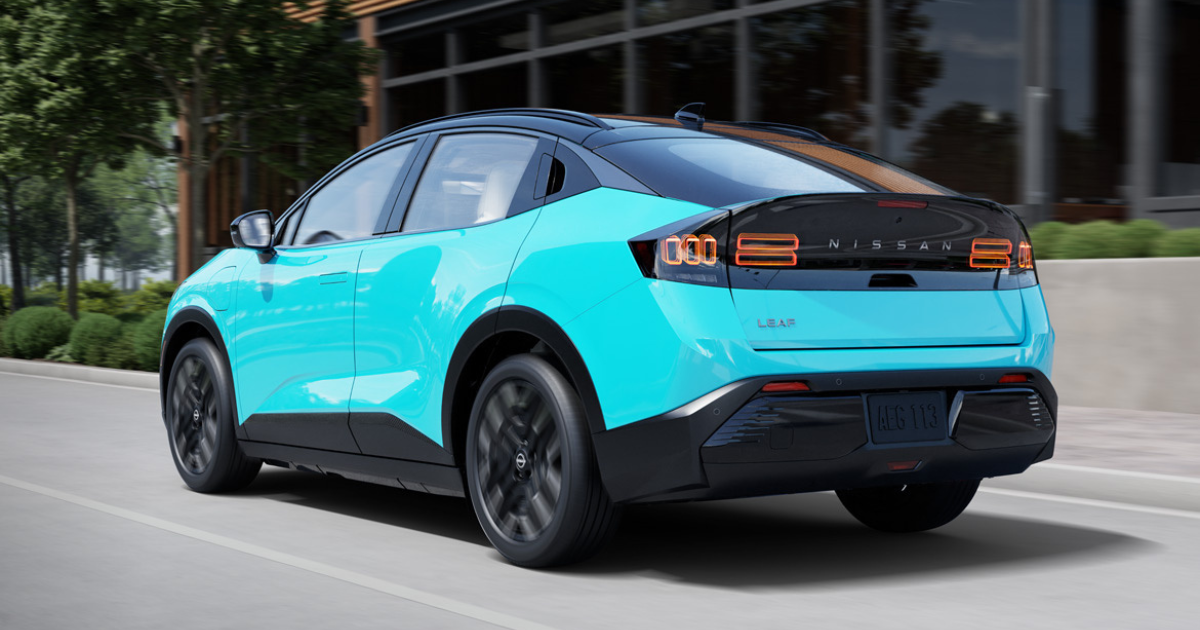
Start with the 2026 Nissan LEAF, and ask about LEAF and ARIYA choices. Confirm model years, specifications, prices, and availability directly with the dealership.
Match real-world range to your weekly driving
When commuting from Salem, remember that the Boston trip is only part of your weekly mileage. Add grocery runs, school pickups, and weekend driving before deciding how much range you need.
Compare each vehicle's EPA-estimated range with your complete routine, and leave room for winter conditions rather than planning to use every advertised mile. If environmental priorities matter, zero-emission vehicles can support sustainable transportation, while greenhouse gas emissions depend on more than tailpipe output.
Charging access deserves equal attention. Reliable home or workplace charging lets you replenish energy regularly. Without either, consider how often you'd need public charging and whether those sessions fit your schedule. More rated range doesn't eliminate the need for a workable charging routine.
Check compatibility before committing to a vehicle
Ask Salem Nissan to explain the charging connections on the exact vehicle you're considering. Nissan EV charging equipment can differ by model and year, so confirm compatibility rather than assuming every station will work.
Discuss home charging equipment, installation needs, and any adapters required for your intended public chargers. Also, ask how the vehicle displays battery percentage, efficiency, and charging information.
During a test drive, assess visibility, seat comfort, and the controls you'll use in traffic. These details matter every workday, even when the commute uses only a modest portion of the battery.
Frequently Asked Questions
Do I need to stop and charge on a Salem-to-Boston commute?
Usually not if your EV has enough real-world range for the round trip with a seasonal buffer. Check your expected mileage, recent efficiency, and charging access before relying on that estimate.
Where should I charge for a regular commute?
Home or workplace charging often fits best because you can recharge while the vehicle is parked. If you plan to use public charging near Boston, confirm access, parking costs, connector compatibility, and charger status.
How can I estimate how much battery the commute will use?
Divide your expected round-trip miles by your recent driving efficiency in miles per kilowatt-hour to estimate energy use. Allow extra capacity for cold weather, highway speeds, climate control, errands, and detours.
What should I do if my usual charger is unavailable?
Identify one or two compatible backup chargers near your destination or along your route, and check their access rules and status before diverting. Leave enough battery for a detour and account for possible queues and charging time.
Make Charging Fit Your Commute
Check live directions, calculate round-trip energy use, and keep a seasonal buffer. Choose dependable home, workplace, or destination charging before adding a roadside stop.
Before deciding, compare Nissan options at Salem Nissan with your daily route, range needs, and charging access. Confirm range, charging compatibility, and availability, then schedule a Nissan test drive to compare a vehicle with your daily needs.