

Brake Wear in Stop-and-Go Commuting: Spot Problems Early and Know What Service Includes
If your weekday drive includes Route 93 traffic, town lights, and short hops in cold weather, your brakes work overtime. In New England, that workload gets tougher because wet roads, road salt, and winter grit can all speed up wear.
Here's the simple reason: every slow-down turns motion into heat. In stop-and-go commuting, that heat builds up fast because you brake often and your parts don't get much time to cool.
This guide keeps it practical. You'll learn the early warning signs (sound, smell, and feel), a few quick checks you can do at home, and what a Nissan break service appointment typically includes so you can avoid bigger bills later.
Why stop-and-go commuting wears brakes faster (and what makes it worse in New England)
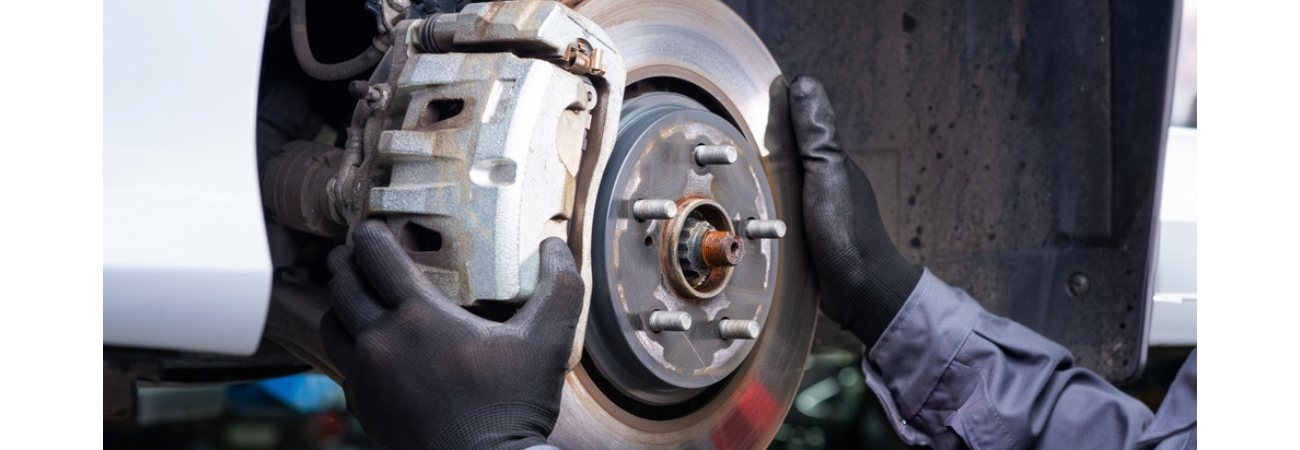
Brakes do one main job: when you press the pedal, the pads clamp onto the rotors to slow the wheels. That friction creates heat, and heat is what wears pads down over time. Rotors can wear too, especially when braking surfaces overheat or get scored.
In highway cruising, you may brake once in a while, then airflow cools everything off. In city traffic, you repeat the same cycle constantly: roll, brake, roll, brake. Even if each stop feels gentle, the total heat and friction add up by the end of a commute.
Driving style matters, of course. So does the vehicle, the pad material, and how much weight you carry. Still, the pattern is common for New England commuters: frequent stops, short trips, and winter conditions tend to shorten brake life.
Heat, friction, and short braking cycles are the real problem
Think of it like rubbing your hands together. One quick rub barely warms them. Keep rubbing every few seconds, and the warmth builds because there's no time to cool off.
Brakes act the same way. Repeated light-to-medium stops can keep the pads and rotors hot, which can speed pad wear and sometimes lead to uneven rotor surfaces (often felt as pulsation). Riding the brake pedal makes it worse because the pads can stay lightly in contact with the rotor, creating heat even when you aren't trying to slow down much.
Short trips add another twist. If you drive five to ten minutes at a time, the brakes may never dry out fully after rain, snow, or car washes. That moisture can lead to surface rust and extra noise the next morning.
Winter roads, salt, and slush can cause rust and sticking parts
Salt and slush don't just make roads messy, they also sneak into brake hardware. Moisture can create a thin rust layer on rotors, which is often harmless if it clears after a few stops. Grit and corrosion, however, can interfere with caliper slide pins and brake hardware that need to move freely.
When parts stick, pads may wear unevenly. You might also notice pulling, extra heat at one wheel, or a "dragging" feel. Hills add strain too, especially with passengers, ski gear, or a loaded trunk. More weight means your brakes must convert more energy into heat at every stop.
A little noise after a wet night can be normal. Ongoing grinding, pulling, or a sharp burning smell is not, and it deserves a close look soon.
Early brake warning signs you should not ignore
Brake issues usually give hints before they become a big repair. Catching them early can help protect your rotors, keep stopping distances short, and reduce the chance of being surprised during a snowy commute.
A quick at-home check helps too. Look through a wheel spoke with a flashlight. If you can see the outer pad, you're checking for remaining friction material. If you're not sure what you're seeing, don't guess, schedule an inspection.
Sounds and smells that point to wear or overheating
These are the "listen up" and "pull over" signals many drivers notice first:
Squealing when braking: Often a wear indicator, or pads that have glazed from heat. If it's new and persistent, get it checked soon.
Grinding: This can mean the pad material is gone and metal is contacting metal. That can damage rotors quickly.
Clicking or clunking when braking: Sometimes caused by loose hardware or worn components that shift under load.
Sharp burning smell after heavy braking: Overheating can happen after long downhill braking or repeated hard stops.
A light whoosh sound can be normal, especially with some tire and brake combinations. New noises that repeat, or get worse day by day, deserve attention.
If you hear grinding or smell a burning odor that wasn't there before, limit driving if possible and arrange an inspection soon.
What you feel in the pedal and steering wheel matters too
Your car will often "tell" you something is off through the pedal or steering:
Longer stopping distance: If the car takes more road to stop, don't wait. Braking performance comes first.
Soft pedal or a pedal that sinks: This can point to air in the system, fluid issues, or a leak. Treat it as urgent.
Pulsation when braking: A vibration in the pedal can be related to rotor surface variation, although tire issues can sometimes feel similar.
Steering wheel shake while braking: Often felt more at higher speeds, and commonly tied to front brake vibration.
Pulling left or right: Uneven braking, a sticking caliper, or even tire problems can cause it. It still needs diagnosis.
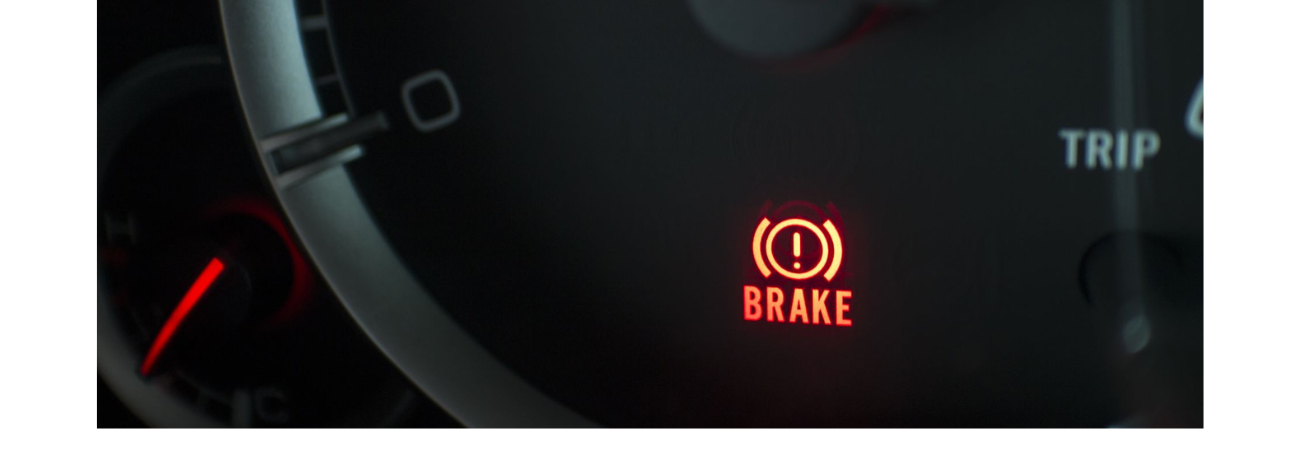
Brake or ABS warning lights: Don't ignore lights, even if the car "seems fine."
If you know how to check brake fluid safely, a quick look can help. Low fluid can happen as pads wear, but it can also signal a leak. Either way, it's a reason to schedule an inspection.
What a Nissan break service visit typically includes, and how to make repairs last longer
A good brake appointment isn't just swapping pads. It's an inspection of the full system, plus the small details that help brakes wear evenly and stay quiet. Exact steps vary by vehicle and condition, but a typical visit often includes:
Inspection, measurements, and the common parts that get replaced
Most shops start with a measurement and condition check, then recommend what's needed based on what they see:
Measure pad thickness
Inspect rotor condition (scoring, rust ridges, heat spots, uneven surfaces)
Check calipers, slide pins, and mounting hardware movement
Look for leaks at calipers, hoses, and connections
Inspect brake lines and hoses for cracking or damage
Check brake fluid level and condition
Scan for ABS codes if a warning light is on
Perform a road test after service, when appropriate
Common repairs include pad replacement and rotor resurfacing or replacement (as needed). Many jobs also include replacing worn hardware, cleaning contact points, and lubricating the correct areas so pads can retract and slide as designed. Some vehicles benefit from a brake fluid exchange at the recommended interval, since old fluid can absorb moisture over time.
If you want a clear starting point for scheduling and expectations, Salem Nissan outlines options on its break service and repair page.
Simple driving habits that help in stop-and-go traffic
You can't remove traffic, but you can reduce brake heat and wear with a few habits:
Leave more following space, so you brake less often.
Coast earlier toward red lights and slow zones.
Avoid riding the brake on gentle downhill stretches.
Use steady pressure instead of repeated stabs at the pedal.
Don't hold the car on a hill with the brake for long periods (use Auto Hold if equipped, or the parking brake when appropriate).
Lighten the load when you can, since extra weight increases braking heat.
Rinse winter salt off regularly, including the wheel wells.
After tire rotations or seasonal wheel swaps, stay alert for changes. With different tires or wheels, brake noise can be easier to notice, which helps you catch issues early.
For drivers who want factory-trained help and the right parts, you can start with Salem Nissan break service and schedule a time that fits your week.
Conclusion
Stop-and-go commuting wears brakes faster because it creates heat in short, repeated bursts. In New England, winter moisture and road salt add rust and sticking risks that can speed up uneven wear. Pay attention to early signs like squealing, pulsation, longer stopping distances, and changes in pedal feel. Most importantly, treat grinding, pulling, and warning lights as urgent.
If your commute has been hard on your brakes, schedule an inspection and keep the repair small instead of waiting for rotor damage. A Nissan break service visit at Salem Nissan can bring back confident stops and a little more peace of mind on wet roads and busy mornings.