

Cold-Weather EV Range in New Hampshire: Real-World Tips for the Nissan ARIYA and LEAF
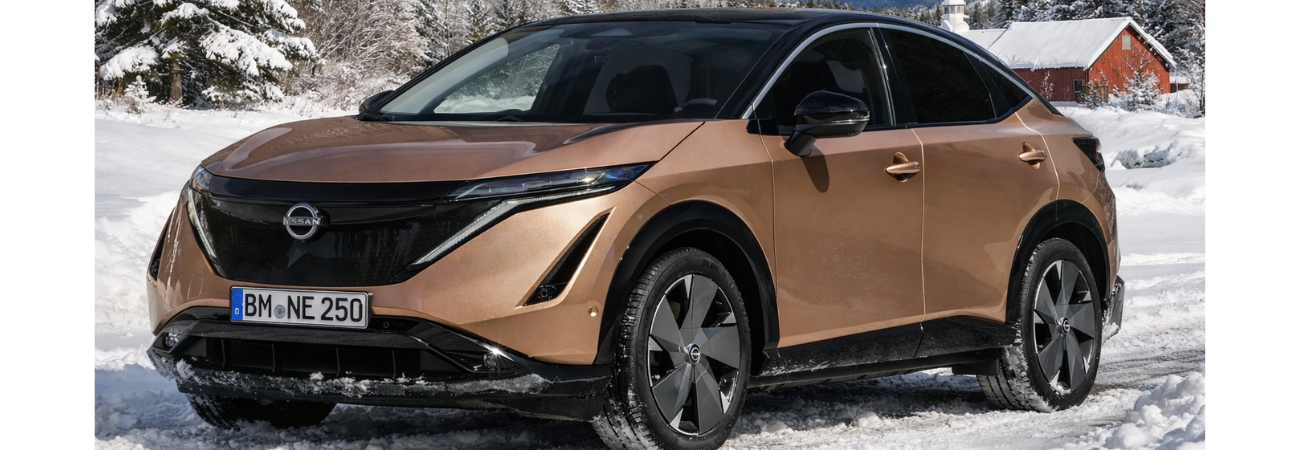
If you drive an EV in New Hampshire, winter can feel like a pop quiz you didn’t study for. One morning it’s 28 degrees and dry, the next it’s 12 degrees with slush piling up on I-93, and your dashboard range estimate is dropping faster than your coffee cools off.
Here’s the good news: winter driving for electric vehicles doesn’t require white-knuckle “range anxiety” or freezing in your own car. Some winter range loss is normal because the battery works harder in the cold, and keeping people warm takes energy too.
Below are simple, real-world habits for Nissan ARIYA and Nissan LEAF owners that help you stay comfortable, predictable, and in control, whether you’re commuting on Route 101 or heading north for a weekend.
What cold weather does to your battery and why range changes so much
Cold weather doesn’t “ruin” your EV range, it shifts where the energy goes. Think of your battery like a jar of honey. When it’s warm, it pours easily. When it’s cold, it thickens. A cold battery can’t deliver energy as freely, and the car may use extra power to warm the battery to an efficient operating temperature.
At the same time, winter driving adds loads that barely matter in July. Cabin heat is the biggest one. Unlike a gas car, an EV doesn’t have a big pool of waste engine heat. Your car has to make heat on purpose, and that takes energy that could have moved the car down the road.
On top of that, winter roads add drag. Snow tires often have higher rolling resistance than all-seasons. Slush is like driving through a shallow puddle that never ends. Tire pressure drops when temperatures fall, which increases rolling resistance even more (and can soften handling). Finally, cold air is denser. At highway speeds, denser air means more aerodynamic drag, so a long run at 70 mph can cost more miles than the same trip at 65 mph.
So what should you expect? Many drivers see a noticeable winter drop, often in the ballpark of 15 to 35 percent, depending on speed, wind, road conditions, and how much heat you ask for. Some days are mild and easy, other days stack every penalty at once.
The big three energy drains: heat, speed, and winter road conditions
Heat can be a steady drain or a brief burst, depending on settings and your car’s HVAC design (some trims use a heat pump for efficiency, others rely more on resistive heat). Cranking the temperature high, then turning it down, then blasting defrost, tends to use more energy than choosing a reasonable setpoint and letting the system maintain it.
Speed is a range multiplier in winter. On I-93, a 5 to 10 mph difference can matter more than you’d think, especially with headwinds or wet roads. Route 101 can be similar when traffic flows fast and steady.
Road conditions add surprise losses. Slush and packed snow increase rolling resistance, and cold tires can start the day underinflated.
A quick example: a 12-mile in-town commute at 30 to 45 mph with seat heaters and moderate cabin heat can feel fine. That same day, a 70-mile highway run at 70 mph into a cold headwind, with heavy heat and slushy shoulders, can make the range estimate fall quickly.
ARIYA vs LEAF in winter: what feels different day to day
The Nissan ARIYA often feels more settled at highway speed and in gusty conditions, partly because it’s a larger vehicle. Many ARIYA setups also give you a bigger energy “bucket” to work with, which can make winter trips feel less tense, even when conditions are rough. Heating behavior can vary by trim and settings, so it’s worth learning what your car does on a 15-minute drive versus a 60-minute drive.
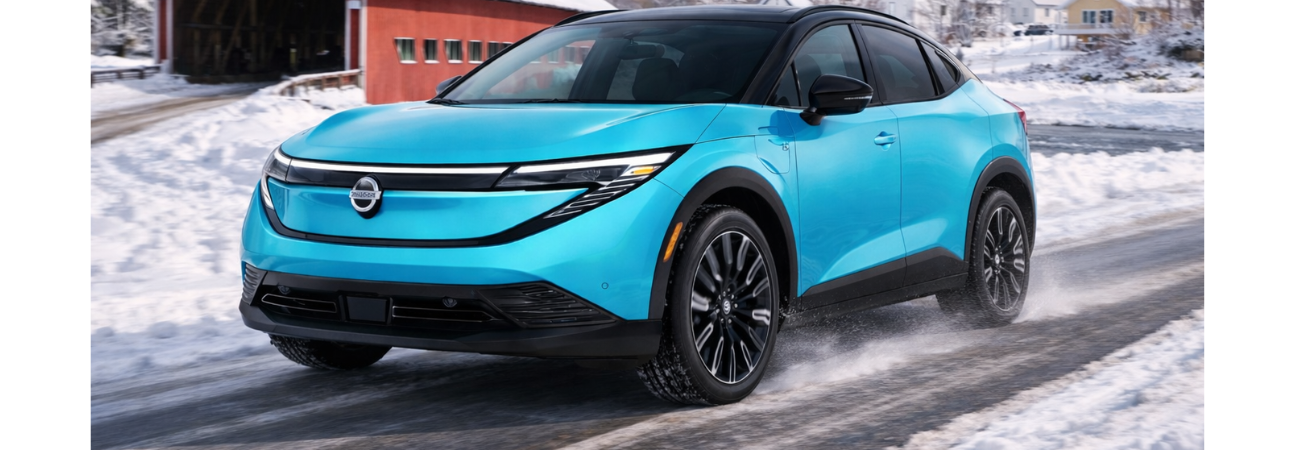
The Nissan LEAF can be impressively efficient around town, where stop-and-go driving and lower speeds play to an EV’s strengths. In deep cold, the LEAF can feel more sensitive to heavy heater use and long, fast highway stretches. Either way, your best friend is the energy info screen: watch your real mi/kWh in winter and plan around what you’re actually getting, not what you got in October.
A winter routine that protects range without making driving miserable
The goal isn’t to “hypermile” your way through February. It’s to build a routine that keeps your drives predictable, keeps visibility clear, and avoids the big range mistakes that show up on the coldest mornings.
A simple winter routine looks like this:
Start warm (while plugged in) so the battery’s energy goes to driving, not to the first blast of heat.
Leave with a plan, even if it’s just knowing your backup charger.
Drive steady, because winter penalties grow fast with speed spikes.
Heat smarter, using targeted warmth first and full-cabin heat second.
Once you do it a few times, it becomes automatic, like putting gloves in the door pocket.
Before you leave: preheat while plugged in, set a plan, and start with the right tire pressure
If you can, preheat the cabin while the car is still connected to home power. That first 5 to 15 minutes of warming is the expensive part. Letting the wall supply it, helps keep your battery percentage higher when you pull out.
Parking in a garage helps too. Even an unheated garage usually stays warmer than the driveway, and that can shorten preheat time. If you park outside, plan a slightly longer preheat, and clear snow and ice so the defroster doesn’t have to work overtime once you’re moving.
Check tire pressure after sharp temperature drops. A tire that was “fine” last week can be low after a cold snap, and that costs range and grip. When your car has heated seats and a heated steering wheel, use them. They warm you directly and can let you set the cabin temperature a bit lower without feeling punished.
On the road: keep speed steady, use Eco when it helps, and pick smarter heat settings
On winter highways, smooth is efficient. Gentle acceleration, steady cruising, and fewer big speed swings help more than most people expect. If Eco mode calms the car’s response in a way you like, use it, especially in stop-and-go traffic.
Regenerative braking is useful, but treat it with respect on slick roads. If conditions are icy, aim for earlier, lighter slowing so the tires keep their grip and the car stays composed.
For heat, pick a comfortable setpoint and let it hold. Constantly toggling between hot and cold wastes energy and comfort. When safe, using recirculation can reduce heating demand, but always prioritize clear windows. Defrost uses energy, and it’s still the right call when visibility drops. Range is never worth fogged glass.
Trip planning in New Hampshire: charging, buffers, and what to do if range looks tight
Winter trips in New Hampshire are all about margins. Hills, wind, and road spray can turn a “no problem” plan into a “why is it dropping so fast?” moment. The fix is simple: build a buffer, then watch the right numbers.
For many drivers, a practical winter habit is planning to arrive with 15 to 25 percent state of charge, not single digits. That cushion gives you room for detours, a closed exit, slow traffic, or a sudden temperature drop after sunset.
Charging is part of the routine too. If you want an easy local option to top up while you run an errand or take a break, keep Salem Nissan's EV charging station in mind.
Build in a winter buffer and watch the right numbers, not just the range estimate
The range estimate is a helpful guess, not a promise. In winter, it can swing based on your last few miles, your heat use, and road speed. Instead, focus on three items:
State of charge (percent): Your most stable planning tool.
mi/kWh (or energy consumption): Tells you how harsh conditions really are.
Distance to go: Keeps your plan honest.
If you’re driving open stretches where wind hits hard, expect changes. Headwinds and wet snow can raise consumption quickly, even at the same speed.
If you need to stretch range fast: the safe, simple moves that work
When the numbers start looking tight, keep it calm and do the basics in order:
Slow down a little and hold a steady pace.
Lower the cabin temp slightly, then rely more on seat and wheel heat.
Reduce extra loads you don’t need (some accessories add up).
Stop accelerating hard unless traffic requires it.
Pick your next charging option early and head there with margin.
In severe cold, it’s smarter to charge sooner rather than trying to “beat it” down to very low battery. You’ll feel better, and your EV will too.
Conclusion
New Hampshire winters are tough, but they’re predictable once you learn the pattern. Preheat while plugged in, treat cabin heat like a budget item, keep speeds steady, and plan trips with a real winter buffer. Those habits make winter driving for electric vehicles feel normal, even on slushy mornings.
If you’re considering an EV that fits your routine, the Nissan ARIYA and Nissan LEAF can both work well here with the right expectations. Salem Nissan sells and services great Nissan EVs, so you can get help with tires, checkups, and the day-to-day questions that pop up every winter.