

Lease vs Buy in 2026 for a Nissan in New England
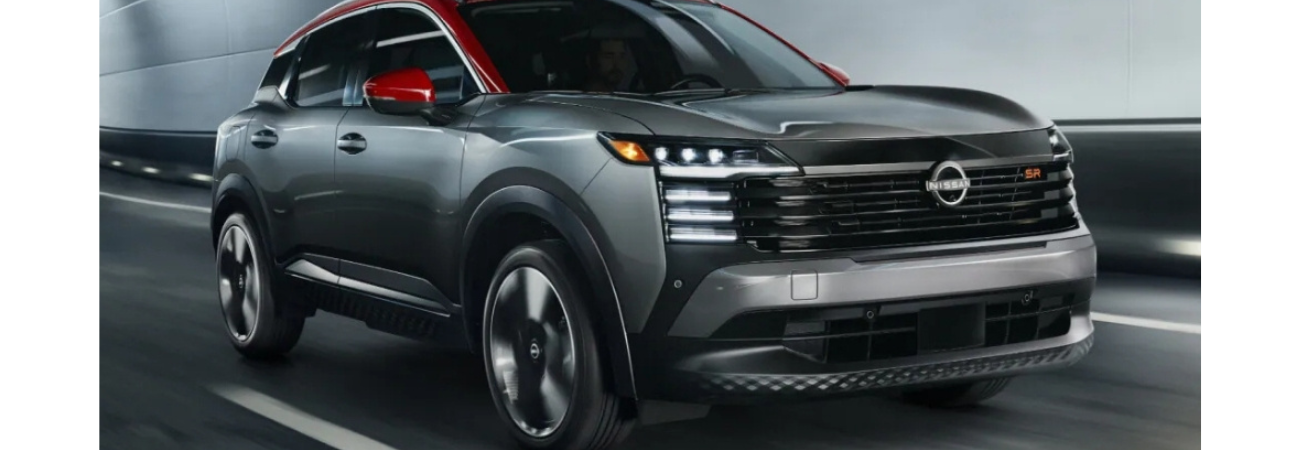
Most shoppers aren't really asking, "Is leasing better than buying?" They're asking, "Which one makes sense for how long I keep my car?"
That's the right question in 2026. Vehicle prices are still high, interest rates still affect payments, and fast-changing tech can shift resale value faster than it used to. If you're comparing a Nissan in New England, those details matter even more because weather, mileage, and daily driving habits all shape the best choice.
If leasing feels confusing, don't worry. The clearest way to decide is simple, match the deal to your ownership timeline.
Start with the one factor that matters most, how long you keep the car
The biggest factor in lease vs buy is not the badge, trim, or even the monthly payment. It's how long you usually keep a vehicle.
Think of it like renting versus owning a home. If you move often, flexibility matters. If you stay put for years, ownership tends to pay off. Cars work much the same way.
If you trade every 3 years, leasing often matches your routine better
Drivers who switch vehicles every two to four years often like leasing because it fits what they already do. Payments are usually lower, and many lease terms line up with the factory warranty period. That can mean fewer repair worries.
Leasing also makes it easier to keep up with newer safety features, screens, and driver-assist tech. In 2026, that matters more because tech changes quickly.
The tradeoff is simple, you usually build little or no equity. At the end, you hand the vehicle back unless you buy it out. Mileage limits and wear rules also matter a lot. If your life is predictable, leasing can feel easy. If it's not, those limits can sting.
If you keep cars for 8 years, buying usually saves more over time
Long-term owners often do better by buying. Yes, the monthly payment is usually higher at first. Still, once the loan ends, you may drive for years without a car payment.
That's where buying starts to pull ahead. The longer you keep the vehicle, the more those payment-free years work in your favor.
Repairs can rise later, of course. Yet many owners still come out ahead, especially if they stay on top of maintenance. For eight-year drivers, buying is often the steady, lower-cost path.
Compare the real costs: monthly payment, total cost, and what you own at the end
Monthly payment gets the most attention, but it's only one piece of the picture. A lower payment can feel great today and still cost more across several vehicle cycles.
The main takeaway is clear, the cheaper monthly option is not always the cheaper long-term option.
Why lease payments can look cheaper at first
Lease payments are often lower because you're paying for the vehicle's expected value loss during the lease term, not the full price. That's why a lease on a newer Nissan can look more affordable than a finance payment on the same model.
But don't stop at the advertised number. Upfront cash, taxes, fees, and acquisition charges still count. Then there are possible end-of-lease charges for extra miles or excess wear.
If you're shopping current offers, checking new Nissan lease specials can help you compare real-world numbers, not just headlines.
Why buying can cost more each month but less across 8 years
When you buy, you're paying toward the full price of the vehicle, plus interest if you finance. That raises the monthly payment. At the same time, each payment builds equity.
Then comes the turning point, the loan ends. If you keep the car three more years after that, those are years without a loan payment. That changes the math in a big way.
A higher payment for five years can still beat smaller payments that restart every three years.
For many long-term owners, that's the whole story.
A simple rule of thumb for 3-year drivers and 8-year drivers
If you want a lower payment and like changing vehicles every three years, leasing may fit better.
If you want lower cost across the long haul and like keeping a vehicle for eight years, buying is usually stronger.
Still, it's not absolute. Mileage, credit, incentives, and maintenance habits can tip the result.
Think beyond price, mileage, lifestyle, and peace of mind matter too
Once the math is clear, daily life usually makes the final call. A lease can be smart on paper and still feel wrong if your routine doesn't match the contract.
Leasing works best when your driving habits fit the contract
Leasing is easiest when your miles stay predictable. A short commute, limited road trips, and careful parking habits all help.
That matters more for families with kids, pet owners, or drivers who park on crowded streets. More use often means more wear. More miles can mean extra charges.
For the right driver, a lease feels clean and simple. For the wrong one, it can feel like wearing a nice jacket that you're afraid to scuff.
Buying gives you more freedom if life changes
Buying gives you room to adapt. Maybe your commute gets longer. Maybe your family grows. Maybe you move, start towing, or want roof racks and accessories. Ownership makes those changes easier because there are no mileage penalties or lease-end inspections.
If you're still figuring out what fits, browsing the Salem Nissan new vehicle inventory can help you compare sedans, SUVs, and trucks that match real life in New England.
That freedom matters for many drivers shopping for a Nissan in New England, where weather, work, and weekend travel can shift fast.

How to choose the right option at a dealership without feeling pressured
The best way to decide is to compare both paths on the same vehicle. Same model, same trim, same day. That keeps the choice honest.
Ask these 5 questions before you lease or buy
How many miles do you drive each year? Be realistic, not hopeful.
How long do you usually keep cars? Your past habit is a strong clue.
Do you want the lowest payment or the lowest long-term cost? They're often not the same.
How much do the newest tech and safety features matter to you? Frequent upgraders often lean lease.
Do you want ownership at the end? If yes, buying usually makes more sense.
Why a test drive and payment review can make the answer obvious
A good test drive helps with comfort and fit. A side-by-side payment review helps with everything else.
Ask to see the lease payment, finance payment, estimated cash due, and what you'll likely spend based on how many years you plan to keep the vehicle. Using a Nissan payment calculator before you visit can make that conversation easier and faster.
At a store like Salem Nissan, that kind of simple comparison can turn a fuzzy question into a clear answer.
Leasing usually fits drivers who want a new vehicle every three years and like lower monthly payments. Buying usually fits drivers who plan to keep a vehicle around eight years and want stronger long-term value. The right choice still depends on your miles, budget, and how much flexibility your life needs. If you're shopping for a Nissan in New England, compare both options on the same model at Salem Nissan, then choose the one that feels right not just this month, but years from now.