

Nissan AWD vs 4WD in Snow: What It Means for Winter Driving in New Hampshire
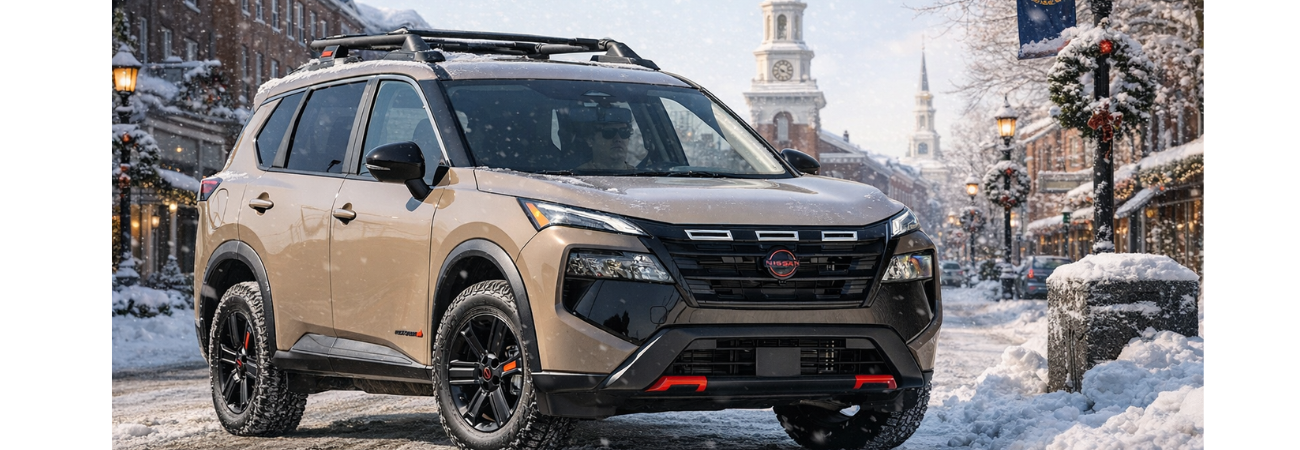
New Hampshire winter roads can feel like a grab bag. One day it’s a clean, plowed run up I-93, the next it’s slush in town, black ice at an on-ramp, and a steep driveway that looks like a ski slope.
That’s where winter driving questions start, especially the big one: AWD or 4WD? In plain terms, AWD (all-wheel drive) can send power to all four wheels automatically when traction drops. 4WD (four-wheel drive) is a driver-selectable system that can lock power to the front and rear axles for tougher conditions (and may include a low-range mode).
This guide breaks down what each system really does in snow, when the difference matters in real NH driving, and which Nissan models tend to fit common winter routines. One more promise up front: tires and habits matter as much as drivetrain.
What Nissan AWD and 4WD actually do when roads are slick
The easiest way to think about snow traction is to separate two ideas: traction and grip. Traction is whether your tires can transmit engine power to the road without spinning. Grip is the total “stick” available for turning and stopping. AWD and 4WD mostly help with traction, getting you moving, climbing, and staying composed when one wheel wants to slip.
The part that surprises people is braking. AWD and 4WD don’t create extra grip for stopping. If you’re on glare ice, four driven wheels still won’t shorten your braking distance. Your tires, speed, and following distance decide that.
AWD basics, how it sends power to help you stay on track
Most Nissan AWD systems are designed for changing conditions, the kind you get when plows have been through but the surface is still messy. In normal driving, the vehicle may behave like front-wheel drive, then send power to the rear wheels when it senses slip. You don’t have to think about it much.
That’s why AWD fits daily winter driving so well. You can roll from wet pavement to slush to packed snow without stopping to change modes. It’s also designed to work with the vehicle’s traction control and stability control. Those systems can brake a spinning wheel and reduce engine power, which helps the AWD system make better use of the grip you have.
If you want the simplest way to add confidence for commutes, school drop-offs, and errands, AWD is often the “set it and forget it” option.
4WD basics, when a locked-in setup helps in deeper snow
4WD is built for the times when the road is not really a road. Many 4WD (4x4) Nissans let you pick between 2WD for normal conditions and 4HI for snow-covered roads at regular speeds. Some models also offer 4LO, a low-range mode meant for slow, slippery situations where you need extra pulling power.
In deep snow, a locked-in 4WD setup can feel like boots with deeper tread. It can help you crawl up a steep, unplowed driveway, push through end-of-driveway plow berms, or pull out of ruts where one side of the vehicle is on ice and the other is on packed snow.
One caution matters in New England: locked 4WD modes aren’t meant for dry pavement. They can cause binding in the drivetrain when turning. The safe play is to use 2WD when roads are clear, switch to 4HI when surfaces are consistently slippery, and save 4LO (if equipped) for slow, nasty conditions.
When the difference matters in real New Hampshire winter driving
The AWD vs 4WD choice becomes clear when you picture where you actually drive. A lot of Southern NH winter miles are on treated highways and main town roads. Even after a storm, those surfaces often shift from wet to slushy to partly snow-covered within a few exits.
In those conditions, the smartest safety “upgrade” is usually winter tires. They improve acceleration, cornering, and braking. Drivetrain comes next. AWD or 4WD can help you get going and maintain control when traction changes, but tires decide how much grip exists in the first place.
A quick way to decide is to focus on three things: how often you drive before plows finish, how steep your daily routes are, and whether you want to manage drive modes yourself.
Daily commute on I-93 and town roads, AWD is usually the easy win
If your routine is highway miles, plowed suburban roads, and the occasional icy patch in a parking lot, AWD is hard to beat for convenience. It handles the “in-between” stuff well, like slush that pulls at the steering wheel or a ramp that’s half wet and half polished ice.
AWD also keeps decision fatigue low. You start the car and drive, and the system helps in the background. For many drivers, that means more consistent confidence during winter driving, especially when conditions change block by block.
Cost of ownership can be a factor too. Many AWD crossovers are built for everyday use, and they often have less heavy-duty hardware than body-on-frame 4WD trucks. It doesn’t mean one is always cheaper than the other, but it’s worth thinking about if your driving is mostly normal roads.
Decision cue: if you almost never face unplowed roads, AWD plus winter tires is usually the sweet spot.
Unplowed driveways, back roads, and weekend storms, 4WD can be worth it
If your driveway is long and steep, your road is last on the plow route, or you’re the person who still drives during the first messy hours of a nor’easter, 4WD starts to make more sense. The ability to select 4HI, and 4LO if equipped, can help you move at low speeds without spinning and digging holes.
4WD also fits drivers who do more than commute. Maybe you tow, you head to job sites, you help family after storms, or you need access where the snow piles up and stays.
Keep the safety reality in mind: 4WD helps you go, not stop. On icy back roads, give yourself more space, brake earlier, and keep speeds modest. The best 4WD system in the world can’t outsmart physics.
Which Nissan models fit, based on how you drive in winter
Matching the drivetrain to your route is the goal. The “right” choice is the one that fits your worst ten winter days, without being a hassle the other hundred days.
Salem Nissan sells and services all vehicles, and can help you pair an AWD or 4WD Nissan with the right tires for your exact commute, whether that’s Manchester mornings, Nashua errands, or rural back roads. For winter readiness checks (battery, brakes, tires, alignment), start with Salem Nissan Service & Parts. You can also watch for seasonal savings on Service & Parts Specials.
AWD Nissan picks for commuters and families
Nissan Rogue (available AWD) fits the classic NH routine: school runs, grocery trips, and highways that are mostly plowed but still slick. It’s a strong choice for slush, shallow snow, and those surprise icy corners.
Nissan Murano (available AWD) is a good match if you want a comfortable daily driver that still adds traction help for winter roads and hilly neighborhoods.
Nissan Pathfinder (available 4WD-type system on some trims) works for families that want three rows and extra confidence for ski weekends, snowy camp roads, and mixed conditions. It’s the “one vehicle for everything” pick for a lot of households.
Nissan Ariya (available e-4ORCE all-wheel drive) makes sense for drivers shopping electric but still needing winter traction. Dual-motor AWD can feel steady on slick pavement, especially in stop-and-go traffic.
If you’re preparing for the snowy season, it’s easy to book a visit through the Schedule Nissan Service Online page.
4WD Nissan picks for tough storms and work needs
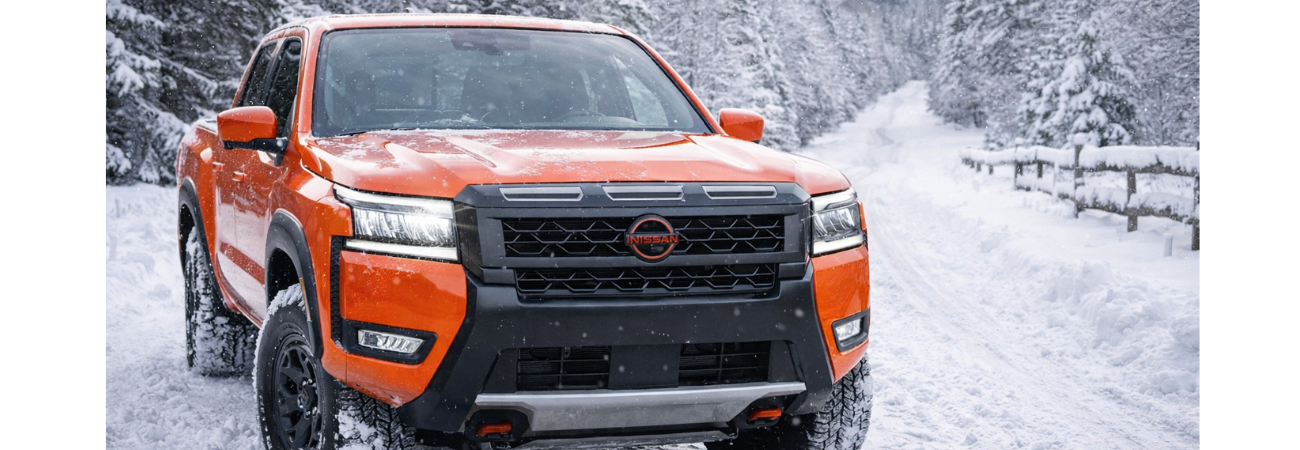
Nissan Frontier (available 4WD) is a practical fit for deep snow, rural routes, and drivers who want 4HI and 4LO (when equipped) for slow, slippery climbs and tough pull-outs.
Nissan Titan (available 4WD) suits heavier-duty needs, including frequent storm driving, towing, and long distances where weather can change fast.
Nissan Armada (available 4WD) is worth a look if you need full-size space and want extra capability for steep driveways, heavier loads, and nasty snow days.
Whatever model you choose, don’t skip the basics. Winter tires matter, and a small winter kit helps when delays happen (warm gloves, a hat, a flashlight, and an ice scraper).
Conclusion
For most New Hampshire winter driving, AWD is the easy, confident choice for mixed roads, slush, and surprise ice. 4WD earns its keep when snow is deeper, roads stay unplowed longer, and steep grades are part of normal life.
No matter what badge is on the tailgate, the biggest safety wins still come from winter tires, smart speed, and extra following distance. If you want help comparing Nissan trims, understanding drive modes, or getting your vehicle ready for the next storm, Salem Nissan can walk you through options and handle the service side so you’re not guessing when the weather turns.