

Nissan Safety Shield 360 in Everyday Traffic
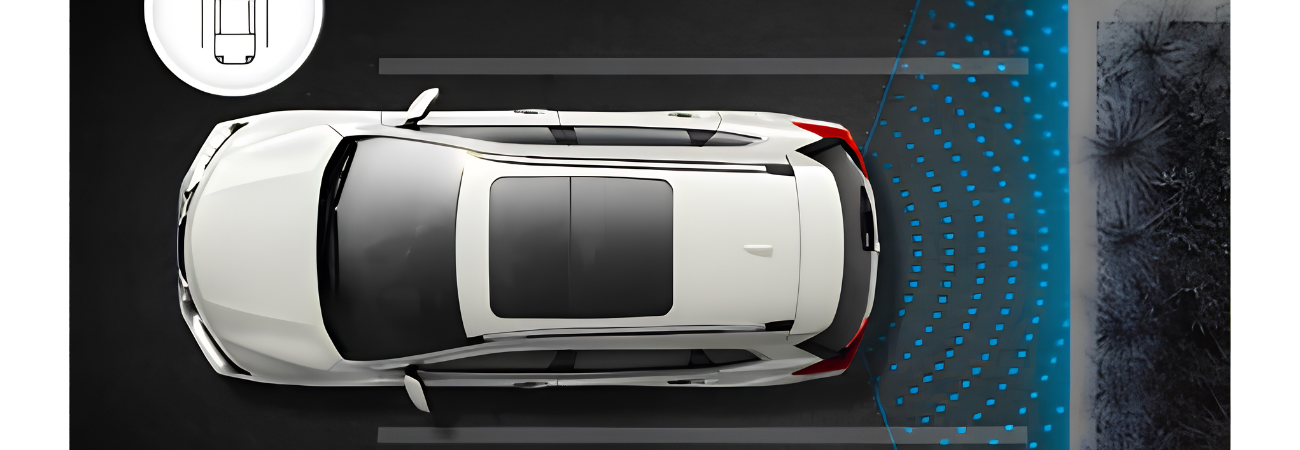
Backing out of a crowded grocery store lot can become a routine parking lot safety challenge when a car crosses behind you. Changing lanes near a busy Salem interchange brings a similar moment of uncertainty during everyday driving. Nissan Safety Shield 360 adds extra warnings and, in certain situations, limited braking help around those everyday risks.
For shoppers comparing Nissan models, this safety suite can support collision avoidance in certain everyday situations. Buyers should confirm which features are included as standard equipment. Active safety technologies support good decisions, but don't take over driving. Their usefulness depends on the road, weather, and your attention behind the wheel.
Key Takeaways
Nissan Safety Shield 360 is a suite of six driver assistance technologies that can provide warnings and, in certain situations, limited automatic braking.
Features may help with forward collisions, pedestrians, lane departures, blind spots, rear cross traffic, reversing obstacles, and high-beam control.
Availability and operation vary by Nissan model, model year, trim, and market, so buyers should confirm the equipment on the exact vehicle.
Rain, snow, glare, dirt, damaged sensors, faded lane markings, and complex traffic can limit system performance.
These technologies support attentive driving but do not replace mirror checks, shoulder checks, safe speeds, following distance, or driver responsibility.
How Nissan Safety Shield 360 Works in Daily Driving
Nissan Safety Shield 360 is a safety suite containing six driver assistance technologies. Depending on the Nissan, they can include Automatic Emergency Braking with Pedestrian Detection, Rear Automatic Braking, Blind Spot Warning, Rear Cross Traffic Alert, Lane Departure Warning, and High Beam Assist.
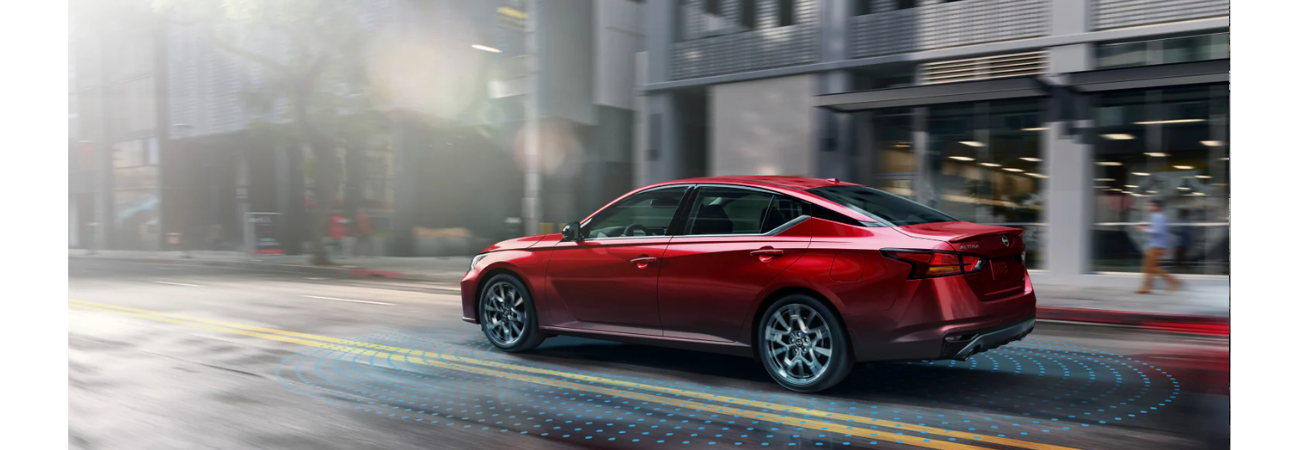
Nissan Safety Shield 360 uses cameras, radar technology, and other sensors to monitor selected areas around the vehicle. When the system detects a possible hazard, it may provide audio and visual alerts through dashboard messages, warning tones, steering-wheel alerts, or limited automatic braking. It does not drive the vehicle independently.
Feature availability, names, and operation can change across Nissan models, model years, trims, and markets. Before buying, confirm the equipment on the exact vehicle. For example, shoppers can review the 2026 Nissan Sentra safety systems before comparing trims in person.
Front-end protection for traffic, pedestrians, and high beams
Automatic Emergency Braking with Pedestrian Detection watches the road ahead for certain vehicles and pedestrians. If traffic stops sharply at an intersection, it can warn you first. If a forward collision appears likely, the system may apply the brakes.
That help has limits. Detection and braking can depend on vehicle speed, distance, lighting, weather, and where a person or object appears in front of the vehicle. A pedestrian stepping out from between parked vehicles may be harder to detect than someone walking clearly across an open crosswalk.
High Beam Assist can switch between high and low beams after detecting other vehicles. It can reduce the need to flip the headlight control repeatedly on dark roads. However, you remain responsible for using headlights correctly and switching to low beams when conditions call for it.
Lane Departure Warning is also part of the six-feature package when equipped. It can warn you if the vehicle drifts toward a lane marking without a turn signal. It does not replace steering attention or make every lane line visible.
Side and rear alerts when changing lanes or backing up
Blind Spot Warning can alert you when it detects a vehicle in a neighboring blind spot. On the highway, that warning may appear while you prepare to merge. Still, look in the mirror and over your shoulder before moving over.
Rear Cross Traffic Alert helps when you reverse out of a parking space. It can warn you about approaching vehicles that may cross behind your Nissan. The system generally warns rather than taking over the backing maneuver.
Rear Automatic Braking may help stop the vehicle when it detects an obstacle directly behind you during low-speed reversing. A shopping cart, a post, or a wall may trigger a response. Yet the system may miss small, low, moving, or unusually shaped obstacles. Rear alerts are helpful when your view is blocked by nearby vehicles, but they cannot see around every corner or replace looking behind the vehicle.
Using Nissan Safety Shield 360 Without Overrelying on It
The best results come from treating Nissan Safety Shield 360 and its driver assistance systems as extra support, not a substitute for safe habits. These safety features still require an engaged driver. When a warning appears, respond promptly instead of waiting to see whether the system intervenes.
Keep your mirrors adjusted, scan blind spots, and leave enough following distance to brake smoothly. Read your owner's manual, too. It explains feature settings, indicators, speed limits, and temporary system unavailability for your Nissan.
What the sensors can see, and what can block them
Rain, snow, fog, darkness, glare, road spray, and low sun can reduce sensor performance. Dirt, ice, or snow on camera and radar areas can also trigger a warning or temporarily disable a feature.
Keep the windshield area, grille, bumpers, mirrors, and rear camera clean as Nissan directs. Crowded or unpredictable traffic conditions can limit recognition, as can worn or faded lane markings.
Damage matters as well. An altered bumper, aftermarket accessory, poor alignment, or windshield replacement may affect sensor placement. If a feature stays unavailable or a warning light remains on, have a qualified Nissan service team inspect the vehicle.
The right driver response when a warning appears
First, slow down and look in the direction of travel. Then check your mirrors and the space around the vehicle. Use Blind Spot Warning as an additional prompt, not a replacement for checking yourself. Keep both hands ready to steer, and brake when needed.
A warning doesn't always mean a crash is certain. Likewise, automatic braking can feel abrupt because it responds to an urgent risk. Drivers must still obey traffic laws, signal before changing lanes, maintain a safe following distance, and keep phones out of their hands.
What Nissan Safety Shield 360 Cannot Do
Nissan Safety Shield 360 cannot guarantee that a collision won't happen. It offers limited collision avoidance support, but it is not autonomous driving and cannot take responsibility for the vehicle.
Some features warn you, while others may provide limited braking in certain situations. Each system works only within its designed conditions and speed ranges. Review the exact equipment on a Nissan before relying on a feature during daily travel.
Limits in complex traffic and difficult road conditions
Motorcycles and bicycles can be hard to detect when they sit in unusual positions. A vehicle cutting quickly into your lane may appear too late for a useful response. Cross traffic outside the sensors' view can remain hidden.
Sharp curves, lane splits, construction zones, faded markings, and severe weather can also affect performance. Automatic braking may not prevent certain frontal collisions, especially in unusual or rapidly changing situations.
Blind Spot Warning cannot eliminate shoulder checks. Rear alerts cannot replace looking behind you. Those habits matter most when traffic is unpredictable.
A final checklist for Nissan shoppers and owners
Before choosing among Nissan models, sit in the driver's seat and check how easily you can see the mirrors, dashboard alerts, and warning lights. When considering a Nissan Rogue, ask which features are standard equipment across the available trim levels.
Learn how to adjust or temporarily disable alerts, but don't assume every Nissan behaves the same way. Owners should address repeated system warnings, sensor damage, or unavailable features with Nissan-trained service professionals.
Frequently Asked Questions
What is Nissan Safety Shield 360?
Nissan Safety Shield 360 is a suite of six driver assistance technologies designed to monitor selected areas around the vehicle. Depending on the model and trim, it can provide alerts and limited braking support in certain situations.
Does Nissan Safety Shield 360 drive the vehicle for me?
No. Nissan Safety Shield 360 is not autonomous driving and does not take responsibility for the vehicle. The driver must remain attentive, respond to warnings, and control the vehicle at all times.
Which features are included in Nissan Safety Shield 360?
The suite can include Automatic Emergency Braking with Pedestrian Detection, Rear Automatic Braking, Blind Spot Warning, Rear Cross Traffic Alert, Lane Departure Warning, and High Beam Assist. Equipment can vary, so confirm the features included on the specific Nissan model, year, and trim.
Can weather or dirty sensors affect the system?
Yes. Rain, snow, fog, darkness, glare, road spray, dirt, or ice on camera and radar areas can reduce performance or temporarily disable a feature. Keep the sensor areas clean and have repeated warnings or sensor damage inspected by a qualified Nissan service team.
What should I do when a Safety Shield 360 warning appears?
Slow down, look in the direction of travel, and check your mirrors and the surrounding area. Treat the warning as additional support, not as a replacement for careful driving, signaling, shoulder checks, or braking when needed.
A Safer Drive Still Starts With You
The six Nissan Safety Shield 360 features can watch ahead, behind, beside, and around your vehicle. This safety technology monitors selected areas and may assist with certain hazards when conditions allow.
However, driver attention remains the strongest safety feature in the vehicle. Confirm the equipment on your Nissan model and trim, then read the owner’s manual before using these systems on busy roads.