

Zero Down Nissan Deals: What You Pay and What to Check
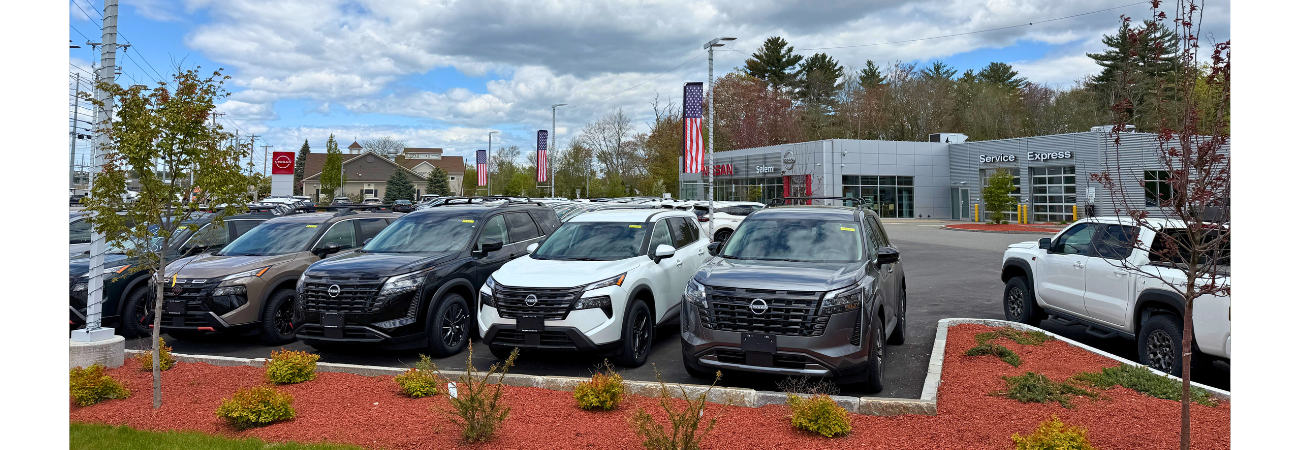
A zero-down offer can look like a welcome break when you're shopping near Salem. Keeping cash for an emergency, a move, or household bills may feel smarter than making a large down payment.
Still, this type of offer doesn't mean the vehicle is free or that you won't pay anything at signing. The details show whether customer cash reduces the amount financed, what remains due that day, and whether the payment fits your life.
Key Takeaways
Zero down does not always mean zero money due at signing. Taxes, registration, dealer fees, the first payment, and other charges may still apply.
Financing those costs can increase the amount financed, monthly payment, total interest, and risk of negative equity.
Compare the APR, loan term, amount financed, total of payments, MSRP, selling price, and cash due at signing—not just the advertised monthly payment.
Zero down may make sense when you have steady income, manageable debt, strong credit, and a good reason to preserve emergency savings.
Ask for side-by-side quotes with zero down and a smaller down payment, then review the buyer's order and financing disclosures before signing.
What Does Zero Down Nissan Financing Actually Cover?
Zero down means you aren't making a traditional cash down payment when you sign. It does not automatically mean zero cash is required before delivery.
Taxes, registration, title costs, a dealer fee, a first payment, and other charges may still apply unless the written offer says they're included. A down payment reduces the vehicle balance. Cash due at signing includes every amount you must pay before taking delivery. Your total out-of-pocket cost also includes every payment and ownership expense over time.
A 0% apr financing offer is usually available only on selected models and qualified applicants. Other apr financing offers may carry different rates. Terms can depend on credit approval, lender requirements, and nmac financing programs, so not every buyer qualifies.
Terms for this financing structure vary by model, trim, loan term, lender, and dealership promotion. Some advertised offers also have residency, mileage, or credit-tier requirements. Ask for a written buyer's order that lists each charge before agreeing to anything.
How the unpaid costs move into the loan
Consider a hypothetical $30,000 vehicle with $3,000 in taxes and fees. If you pay no down payment and finance those charges, you borrow $33,000 before interest.
That larger balance can raise both the monthly payment and total interest paid. A trade-in, rebate, or manufacturer incentive may reduce the amount financed, but none turns the purchase into a zero-cost transaction.
For example, Salem Nissan's August 2026 lease specials advertised $0 down options with the first payment due. The offers included incentives, bonus cash, and retail customer cash on certain vehicles, but those savings may depend on model, dealer stock, residency, or applicant qualifications. Customer cash may reduce the amount financed, but it isn't guaranteed or stackable with every offer, and shoppers should review Nissan new car specials for current lease terms and written details rather than relying on a headline.
Why the advertised monthly payment may not tell the full story
A low monthly payment can result from a longer term, a higher APR, or a lower-priced vehicle than you expected. Some unusual arrangements may also include a large final payment.
The MSRP may differ from the negotiated selling price. Compare MSRP, amount financed, APR, loan length, total of payments, and cash due at signing. Advertised offers for the nissan rogue, nissan kicks, and nissan altima can also differ by trim and inventory. The same vehicle can produce very different costs when the term, rate, upfront cash, or financed fees change.
When Zero Down Can Be a Smart Choice
A zero-down option can make sense when preserving savings matters more than reducing the loan balance. It works best when you have dependable income, manageable debt, and room for the full cost of ownership.
The vehicle payment needs to fit alongside insurance, fuel, maintenance, registration, housing, and regular savings. Using every available dollar for a down payment can leave you exposed when a tire, medical bill, or home repair arrives.
The buyers most likely to benefit
Buyers with a strong credit score may qualify for better terms through NMAC financing, subject to credit approval. A person replacing a vehicle after an unexpected breakdown may also need to keep emergency cash available.
A 0% apr financing offer can sometimes cost less than a higher-rate loan, but confirm the term, fees, and eligibility before choosing apr financing. Customer cash or other incentives, including retail customer cash, can lower the balance, but neither is guaranteed.
Trade-in equity can reduce the amount financed when your trade-in value is strong. A smaller down payment is often more sensible when you plan to keep the vehicle for several years and won't carry the loan longer than the vehicle holds enough value.
A quick budget test before you sign
Start with your monthly take-home pay. Subtract housing, utilities, existing debt payments, groceries, and planned savings. Then add the vehicle payment, insurance, fuel, maintenance, and registration.
Compare the vehicle's msrp with your budget before relying on the vehicle payment. Before signing, take these steps:
Get insurance quotes for the exact Nissan trim, and compare fuel and maintenance costs for a Nissan Pathfinder, Nissan Kicks, Nissan Armada, Nissan Altima, and Nissan Sentra.
Check payments at more than one loan term with a Nissan payment calculator.
Leave room for routine savings and unplanned costs after every vehicle expense.
A deal helps only when the payment remains comfortable after those costs are included.
When Zero Down Backfires and What to Check Before Buying
A zero down nissan offer can create a larger loan balance at the start. Financing taxes, fees, and other charges also raises interest costs. You could owe more than the vehicle is worth, especially with a long loan term.
The risk increases with weak credit, unstable income, a tight budget, or an existing loan balance that exceeds your trade-in value. A smaller down payment can sometimes keep a manageable purchase from becoming expensive.
Negative equity can make the next trade-in harder
Depreciation begins once you drive off the lot. Suppose a vehicle financed at $33,000 loses value and is worth $27,000 after a year. If your remaining loan balance is $30,000, you have a $3,000 shortfall.
Trading it then may add that $3,000 to the next loan. A down payment creates equity sooner, while financing taxes and fees can delay that progress.
Questions to ask the dealership about a zero-down offer
Bring these questions to a local Nissan dealership:
What is the exact total due at signing?
What APR and loan term apply after credit approval?
Does eligibility depend on a specific credit approval tier or credit score?
Are taxes, registration, and fees included in the quoted payment?
Is there a dealer fee that isn't included in the advertised price?
Does the offer depend on dealer stock or apply to models such as a nissan frontier, nissan armada, or nissan murano?
Which incentives apply, including bonus cash, customer cash, or retail customer cash?
Are these loan terms, or are they lease terms with separate mileage and end-of-term costs?
What is the total of all payments?
A 0% apr financing offer should be compared with the full loan term, amount financed, and fees. Compare those details with standard apr financing, even when the promotional rate looks attractive.
Check the advertised msrp against the actual selling price and amount financed. Review NMAC financing disclosures alongside other lender options, without assuming NMAC is the only source of financing. Compare the advertisement with the buyer's order and financing disclosures before you sign.
How to decide between zero down and a smaller down payment
Request two quotes on the same vehicle. One should show zero down, while the other uses a down payment amount that won't drain your emergency fund.
A smaller down payment may be better if it lowers the APR, reduces the monthly payment, or keeps the balance closer to the vehicle's value. Zero down may still be reasonable when you have strong credit, steady income, and a clear reason to keep cash available. You can also discuss both structures through Nissan financing in Salem, NH.
Frequently Asked Questions
Does zero down Nissan financing mean I pay nothing at signing?
No. Taxes, registration, dealer fees, the first payment, and other charges may still be due before delivery. Ask for a written buyer's order showing the exact cash due at signing.
Can I finance taxes and fees with a zero-down Nissan deal?
Sometimes, depending on the lender, dealership, and financing approval. Adding those charges to the loan increases the amount financed and may raise your monthly payment and total interest.
Is 0% APR the same as a zero-down offer?
No. Zero down describes the amount of cash applied as a down payment, while 0% APR describes the interest rate. Promotional APR offers may be limited to certain models, terms, and well-qualified applicants.
How can I compare a zero-down offer with a traditional loan?
Request quotes for the same vehicle using both structures. Compare the APR, loan term, amount financed, total of payments, cash due at signing, and full ownership costs rather than focusing only on the monthly payment.
When can zero down be a smart choice?
Zero down may be reasonable when preserving emergency savings is important and your income, debt, and monthly budget are stable. A smaller down payment may be better if it lowers the rate or payment and does not drain your savings.
Final Thoughts
Zero down means little or no traditional down payment. It doesn't automatically mean no money due at signing or no added borrowing cost.
Review the MSRP, APR, loan length, amount financed, total interest, cash due at signing, and full ownership budget. Ask for side-by-side quotes on the same Nissan, then choose the option that keeps your monthly payment manageable, protects your monthly budget, and preserves your savings account.